Introduction
Markets are driven by more than numbers and charts. Human emotions play a major role in price movements, and two emotions stand above all others: fear and greed.
Understanding these emotions can help traders make better decisions and avoid costly mistakes.
What Is Fear in Trading?
Fear occurs when traders worry about losing money.
It can appear in several ways:
- ✓Selling too early
- ✓Avoiding good opportunities
- ✓Hesitating to enter trades
- ✓Exiting positions after small pullbacks
Fear often causes traders to focus on short-term price movements rather than their overall strategy.
What Is Greed in Trading?
Greed is the desire for bigger profits. While ambition can be healthy, excessive greed often leads to poor decisions.
Examples include:
- ✓Taking oversized positions
- ✓Ignoring risk management
- ✓Chasing fast-moving markets
- ✓Refusing to take profits
Greed can cause traders to stay in positions longer than they should.
How Fear and Greed Create Market Cycles
Many market booms and crashes are fueled by emotional decision-making.
When prices rise: • Traders become optimistic • More buyers enter the market • Prices rise further
Eventually, expectations become unrealistic.
When prices fall: • Fear spreads • Traders rush to sell • Prices decline faster
This cycle repeats throughout financial history.
Developing Emotional Control
The goal is not to eliminate emotions completely. Instead, traders should build systems that reduce emotional decision-making.
Helpful habits include:
- ✓Using predefined entry and exit rules
- ✓Managing position size
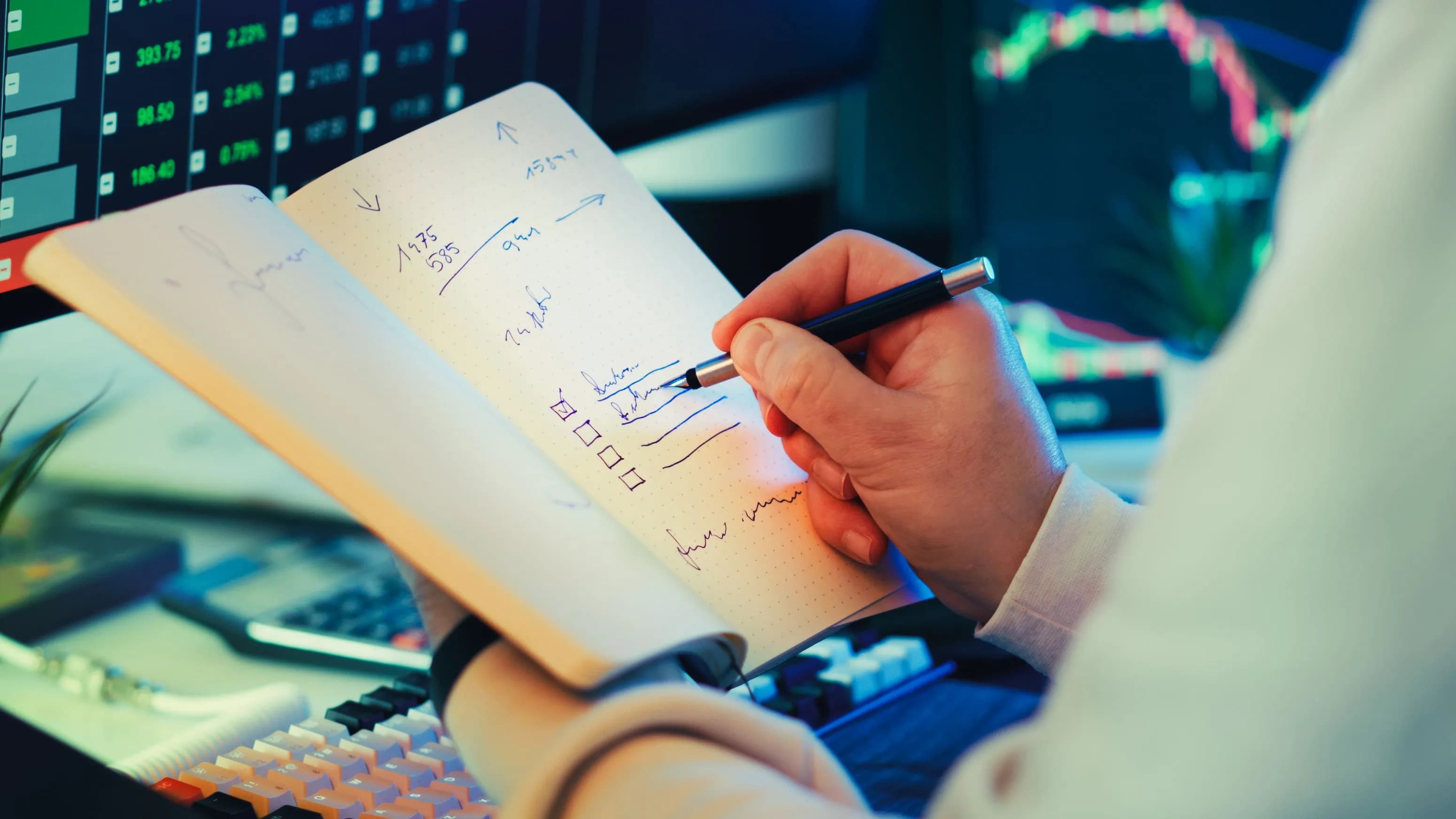
- ✓Keeping a trading journal
- ✓Reviewing past trades regularly
Trading With Confidence
By recognizing fear and greed when they appear, traders can make more rational decisions and improve their long-term performance.
AITradr helps traders identify patterns in their decision-making and provides AI-powered feedback to support continuous improvement.